Farms for Sale: A Buyer’s Guide by Country and Type
It’s likely that you’ve browsed through fifty ads that appear identical: a stock photograph of a red barn or a property which has too many zeros as well as the description tells you absolutely nothing about the soil or the rights to water or the reason that the last owner decided to sell. I’ve felt that exact displeasure while helping a buyer narrow down properties in the past, and I learned that purchasing a farm has virtually nothing to do with purchasing a home. The land is what matters — the water accessibility and zoning as well as the soil’s history is more important than the buildings that sit on top of it.
This article explains the elements that make up whether an offered farm is worth the money, that is, broken down by the kinds of concerns that buyers have before contacting an agent.
What Counts as a “Farm” for Sale?
It is not the case that every property advertised as a farm actually operates as a farm. Certain listings are hobby land that includes a barn while others are operational that include livestock infrastructure, equipment as well as leases in force.
Before you are attached to a list, make sure you check for:
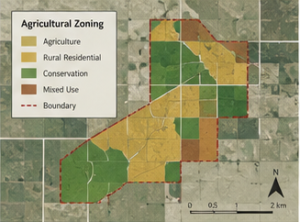
- Zoning for agriculture that is active or an agricultural tax category
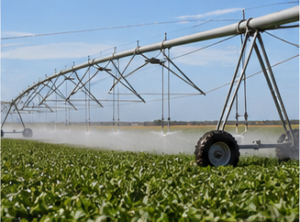
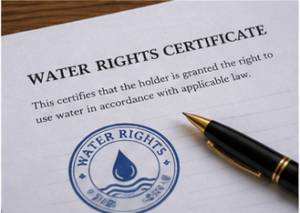
- Water rights that are in place or existing irrigation infrastructure
- Outbuildings that are rated for livestock storage for equipment or the processing of crops
- A history of production (crop yields record, herd, or lease earnings)
40 acres of land that has none of these is simply a piece of land that has an old farmhouse. This isn’t a negative thing as it can alter the price you’ll be charged for it.
How Much Do Farms for Sale Actually Cost?
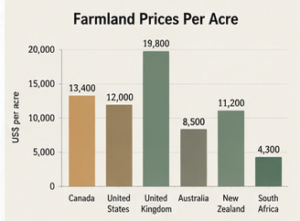
Prices vary widely based on region as well as soil condition and access to water, so the number I offer this is something of a ballpark and not as the basis for a quotation. The prices of land change in line with the cycle of commodities as well as local demand. Therefore, make sure to confirm the current price by speaking to a regional appraiser or a lender for agricultural land prior to offering.
This is a rough idea of the way prices per acre tend to be compared across the major areas, based upon current listing patterns:
| Region | A typical cost range (per acres) | What is the reason for the price? |
|---|---|---|
| US Midwest (row crop) | $6,000-$12,000+ | Index of soil productivity, tile drainage |
| US Western states | $1,500-$5,000 | Water rights, grazing capacity |
| Canada (Prairie provinces) | CAD $2,500-$6,000 | Soil class, near grain elevators |
| UK | PS8,000-PS12,000+ | Subsidy is extremely limited, and supply is very restricted. admissibility |
| Australia (grazing land) | AUD $1,000-$4,000 | Reliability of rainfall, distance from market |
| New Zealand (dairy/pastoral) | NZD $20,000-$45,000+ | The history of production of solid milk |
It’s a fact and say that The “price per acres” figure you find on a listing’s headline is usually the most useless value in the listing. Two parcels of 100 acres priced the same may differ by hundreds or thousand dollars worth when you consider whether the rights to water are either junior or senior or if the soil is removed of its chemical value by years of mono-cropping.
Farms for Sale in the US: What to Know
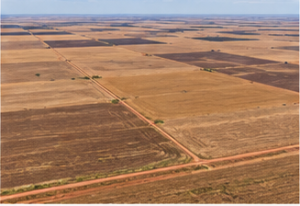
There is a US market is splintered according to regions. Corn Belt row-crop land in Iowa or Illinois is almost the price of a commodity- the prices of grain are tracked close. Western rangeland has a completely different behavior in that the water right (not soil) determine the value.
If you’re purchasing in an area that is water scarce make sure that the water rights are checked by a title agency prior to any other. I’ve witnessed deals almost fall apart in the closing process due to the fact that the water rights attached to the property was found to be less valuable than three other downstream users which means that during a time of drought the farm would legally receive almost none.
Farms for Sale in Canada: Provincial Differences Matter
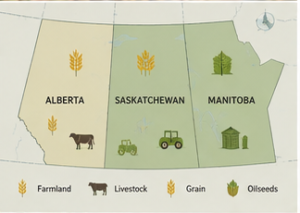
Land is in Canada is managed provincially and the regulations on who is able to buy particularly foreign buyers quite a bit. Saskatchewan as well as Manitoba each restricts non-resident as well as non-Canadians’ ownership of farmland but with some exceptions, and permits that are subject to change. Ontario is more relaxed, but significantly higher costs per acre near urban areas.
A proximity to a grain elevator can be more significant than the majority of first-time buyers imagine. The distance of a parcel that is 40 minutes than the closest elevator could have a significant trucking price which can eat into profits every one harvest.
Farms for Sale Near Me: How to Search Smarter
“Farms that are for sale in my area” search results tend to show the same 3 or 4 nationwide listing aggregators. This is great as a beginning point, but it’s not the place where you can find the most affordable deals. Extension offices in local agricultural areas county assessor auction notifications as well as regional credit unions are often aware of the properties prior to they appear on the MLS-style platforms.
Some steps you can take that can actually help move the needle
- Contact the county’s agricultural extension office and inquire about whether they monitor upcoming estate and retirement sales
- Make sure that your province or state has an initial-farmer-land-matching program
- Find a farm-specific real estate broker instead of an agent for residential properties -The in-depth underwriting and inspection procedure will be completely different
- Check with local agricultural lenders to find out which properties they’re evaluating (some offer general prospects even though they don’t divulge client information)
Farms for Sale in the UK: Supply Is the Real Constraint
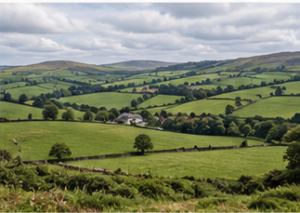
British agricultural land is rarely accessible at a large scaleMost transactions are tiny parcels that are traded between households or between neighbouring farms. When land comes onto the market for sale, the competition is intense. This is due in part to the fact that agriculture land within the UK comes with tax advantages for inheritance that can make it desirable for non-farming buyers.
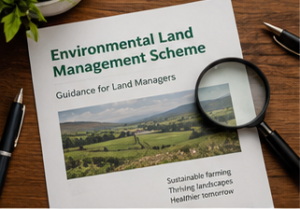
A common advice is to concentrate solely on the quality of soil (Grade 1-5) in evaluating UK agricultural land. However, I’d argue against that slightly. It’s true that soil grade does matter however, subsidy as well as ecological scheme eligibility in the post-Brexit environmental land management (ELM) framework may alter the amount of income a landowner can earn by more than a grade of soil’s quality will ever. I’ve witnessed buyers overpay to purchase “Grade 2” properties that were not eligible for scheme eligibility, whereas the neighbor’s property was grade 3 and earned a steady stream of income from the stewardship payment.
Farms for Sale in Australia: Rainfall Reliability Over Raw Acreage
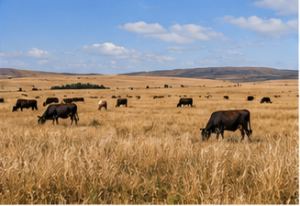
Australian agricultural land for grazing and cropping is valued heavily based by the reliability of rainfall. It’s not only acreage. A 5-acre farm within a rain belt that’s not reliable could be worth less than an area of 1,200 acres with regular periodic rains and a functioning bore water.
Western Australia specifically has seen significant demand in the wheatbelt region where massive grain companies have helped consolidate smaller farms owned by families. If you’re in search of “farms to sell in WA,” expect listings to emphasize larger farming businesses, not small recreational acreage since Wheatbelt’s economics are geared towards the scale.
Farms for Sale in New Zealand: Dairy Dominates the Math
New Zealand farmland pricing is strongly influenced by dairy possibility of conversion, including farms currently being used for cattle or sheep. The production of milk solids is the first thing serious buyers want first, not paddock numbers or the state of the farmhouse.
Foreign buyers must be aware of NZ’s Overseas Investment Act restricts non-resident purchase of “sensitive property,” which includes most agricultural land that is more than 5 acres. This approval process can last some time, so you should factor this into your schedule if purchasing from outside NZ.
Farms to Sell located in Scotland: Estate Land vs. Working Farms
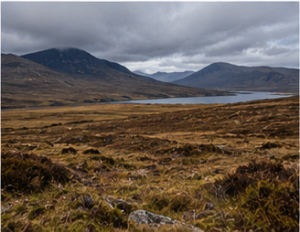
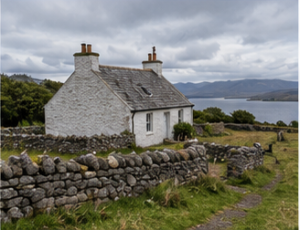
Scottish listings can blur the lines between sporting and working farm estates (land that is offered for sale partly to hunt fishing, fishing or forestry rights, not necessarily for agricultural production). If the listing states “farms available for sale in Scotland” in conjunction with terms such as “sporting rights” or “deer forest” it’s likely to be property that has agricultural uses as an additional feature but not the primary value-driver.
The Crofting Tenure — a distinctive Scottish arrangement of land, mostly within the Highlands and Islands — is a further layer. The land that is crofting has particular rights to the crofter who is tenant. These rights are in effect regardless of sale make sure to verify tenure rights early by consulting an Scottish lawyer who is familiar with the law of crofting.
Farms for Sale in Western Cape: South Africa’s Wine and Fruit Belt
It is believed that the Western Cape market splits mainly into wine estates, orchards and pastures further to the inland. Fruit and wine properties close to established appellations such as Stellenbosch or Franschhoek are able to offer premiums which are not based on acres of land, and all about terroir’s reputation as well as the current vine or tree old age.
Security of water is a frequent topic again in this article The Cape Town’s water disaster left an indelible impression on buyers’ perception of borehole and irrigation infrastructure within the area.
Step-by-Step: How to Evaluate a Farm Listing Before You Call an Agent
- Take the zoning information and tax category. Confirm it’s actually classified as agricultural and not rural residential.
- Demand water rights documents. Ask specifically whether rights are junior, senior or undocumented.
- Examine the test history. A recent soil test can tell you more than a listing’s description.
- Check three years’ leasing or production information in the event that they’re there are any. The absence of records doesn’t mean it’s an issue However, it can make it more difficult to negotiate.
- You can get a farm-specific appraisement that is not the standard residential appraisal. The appraisal methods differ.
- Check access rights as well as easements. Landlocked parcels or shared driveways could cause real difficulties later.
- Take a walk around the property with a the person and, in the ideal case, in the rain. The standing water will reveal drainage issues that photos taken during dry season hide.
Common Mistakes First-Time Farm Buyers Make
- It is assumed that “waterfront” (or “creek access” is a reference to irrigation water that can be used however, it isn’t always the case.
- Not taking a soil test since the soil “looks healthy and lush”
- The cost of not estimating how much it will take to bring older outbuildings to code
- Acreage purchased to be used for hobby purposes however priced to allow commercial production
- Don’t budget equipment even in turnkey listingsthe majority of sellers carry their machines along
I’ve attempted to make a similar version of the same mistake in a sort of secondhand way -I watched a customer almost sign a contract for a home that was advertised as “all equipment included” but then discover in due diligence that “equipment” refers to a used tractor that had a damaged transmission. We were able to negotiate a reduction of $18,000 from the purchase price after the issue became apparent. Always have your equipment listed and checked in isolation from the ground.
Financing a Farm Purchase
The process of obtaining agricultural loans is different than mortgages for residential properties. They typically seek:
- A larger down amount (often 20-35 percentage) as compared to a typical mortgage
- Farm business plans or a production history, specifically to be used in working operations
- A separate appraisal of land is different from structures and equipment
There are government-backed agricultural loan programs across the nations mentioned here including USDA Farm Service Agency loans in the US, Farm Credit Canada programs and other similar schemes with Rural Payments Agency-adjacent organizations located in the UK. These loans can have higher rates than a typical commercial loan. However, the eligibility requirements are very specific, and must be inspected early prior to making an proposal.
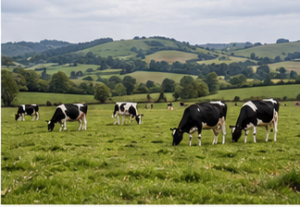
Farms for Sale: The Bottom Line
Each region listed in this listing prices property differently, however it’s identical everywhere: what is this property actually producing or yield, if you take away listing pictures as well as the language used to market it? Soil history, water rights and real-time production numbers can tell more about acreage or the curb appeal of a barn ever can. Make sure you’ve completed the tedious paperwork first such as the zoning inspection as well as the water rights pull as well as the soil testwhich will help you avoid many of the costly unexpected costs that can catch buyers who are first time buyers adrift.
FAQ
Do you think buying a farm is an excellent investment today? It depends heavily on the region of origin and type of land. The row crop land track the cycles of commodities, whereas the pastoral and grazing areas track the reliability of rainfall and input cost. Contact an agricultural lender from the region or appraiser about current circumstances instead of relying solely on the national averages.
Do I need to have farming expertise to buy an agricultural property? No, but lenders might require an outline of your business or farm manager agreement if you’re financing an operational farm. Lifestyle or hobby acreage generally isn’t as strict.
What is the distinction between farmland and “farm to sell”? Farmland is an agriculturally-based land that is not yet developed. The “farm to sell” listing typically includes buildings, but sometimes also the equipment or livestock infrastructure or leases that are in active useHowever, it is important to verify the details of what’s included since terms vary by region as well as by the agent.
What is the time it will take to complete the purchase of a farm? Longer than a typical home purchase in many instances — typically 60-120 days in part due to verification of water rights soil testing in addition to (for foreign buyers from the countries of New Zealand or Canada) further regulatory approval.
Are foreigners allowed to purchase farmland? Rules vary significantly according to country, as well as the state or province. Canada, New Zealand, as well as parts of Australia are all restricted on the purchase of agricultural land by non-residents. Make sure you check the latest rules applicable to your area of interest in prior to offering the deal.
What questions should I ask before I submit an offer to purchase the property? At minimum: What is the water rights in effect, what is the most current zoning classification, background of soil tests, and if equipment or leases are included in the purchase cost.

